

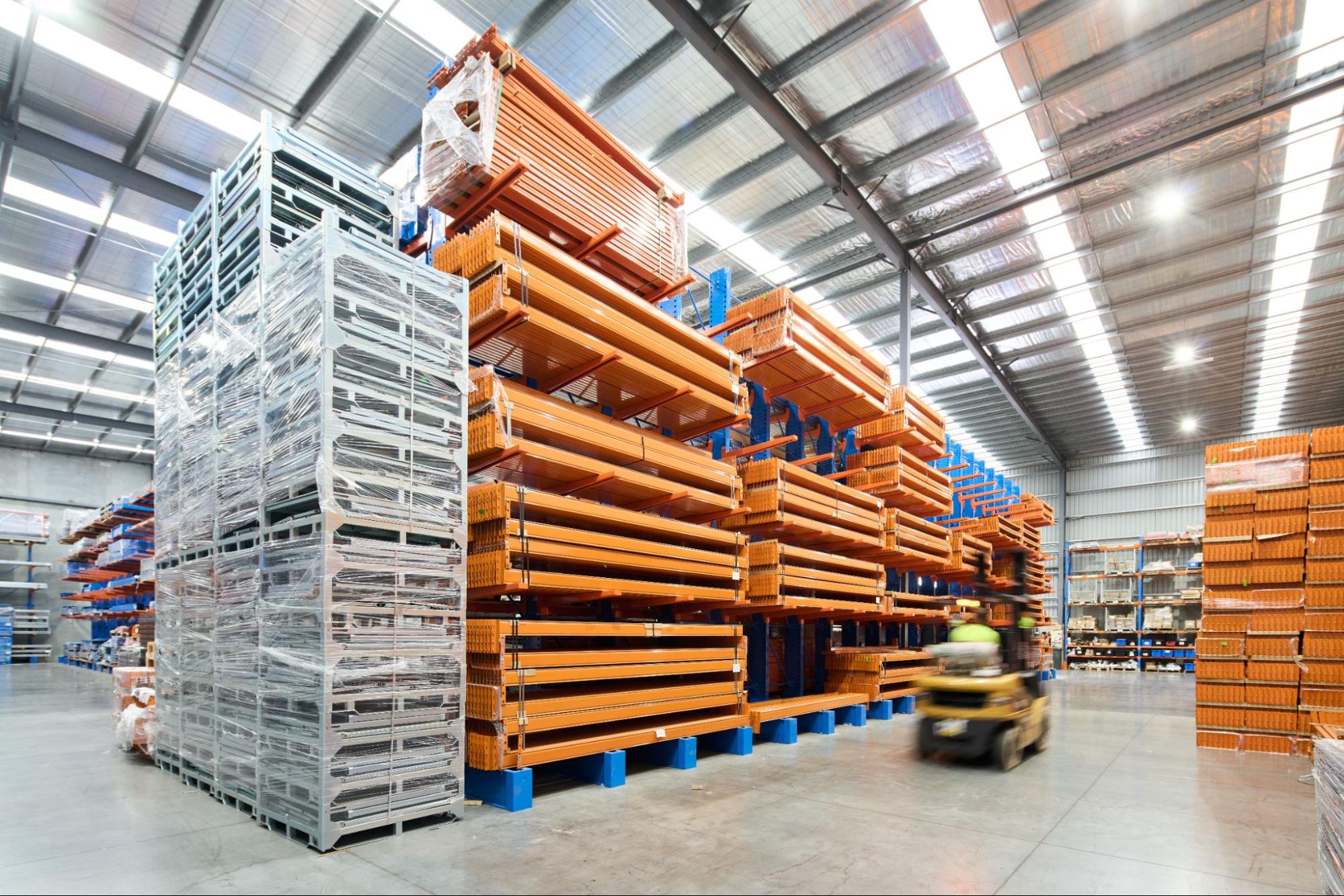
A warehouse fit-out is one of the few projects where standing still costs you money every hour. While racking goes up and aisles are blocked, picking slows, dispatch backs up, and orders run late. For a medium operation, a day of lost production can run into thousands.
The smart question, then, is not just how to fit out your warehouse, but how to do it without grinding operations to a halt. With the right sequencing, the right products, and a clear plan, most fit-outs can happen around a working site rather than shutting it down.
Below, we cover what a warehouse fit-out involves, where downtime creeps in, and the practical ways to keep stock moving while you upgrade.
- A warehouse fit-out covers the design, supply, and installation of racking, shelving, mezzanine floors, and safety systems.
- Most downtime comes from blocked aisles, sequencing clashes, and after-hours work at penalty rates, not the install itself.
- Phasing the work and installing around shifts lets a live site keep operating, as our case studies show.
- Pre-engineered and modular systems go in faster, which shortens the disruptive window.
- Early planning, a single point of contact, and clear site readiness prevent the delays that cause downtime.
What’s involved in a warehouse fit-out?
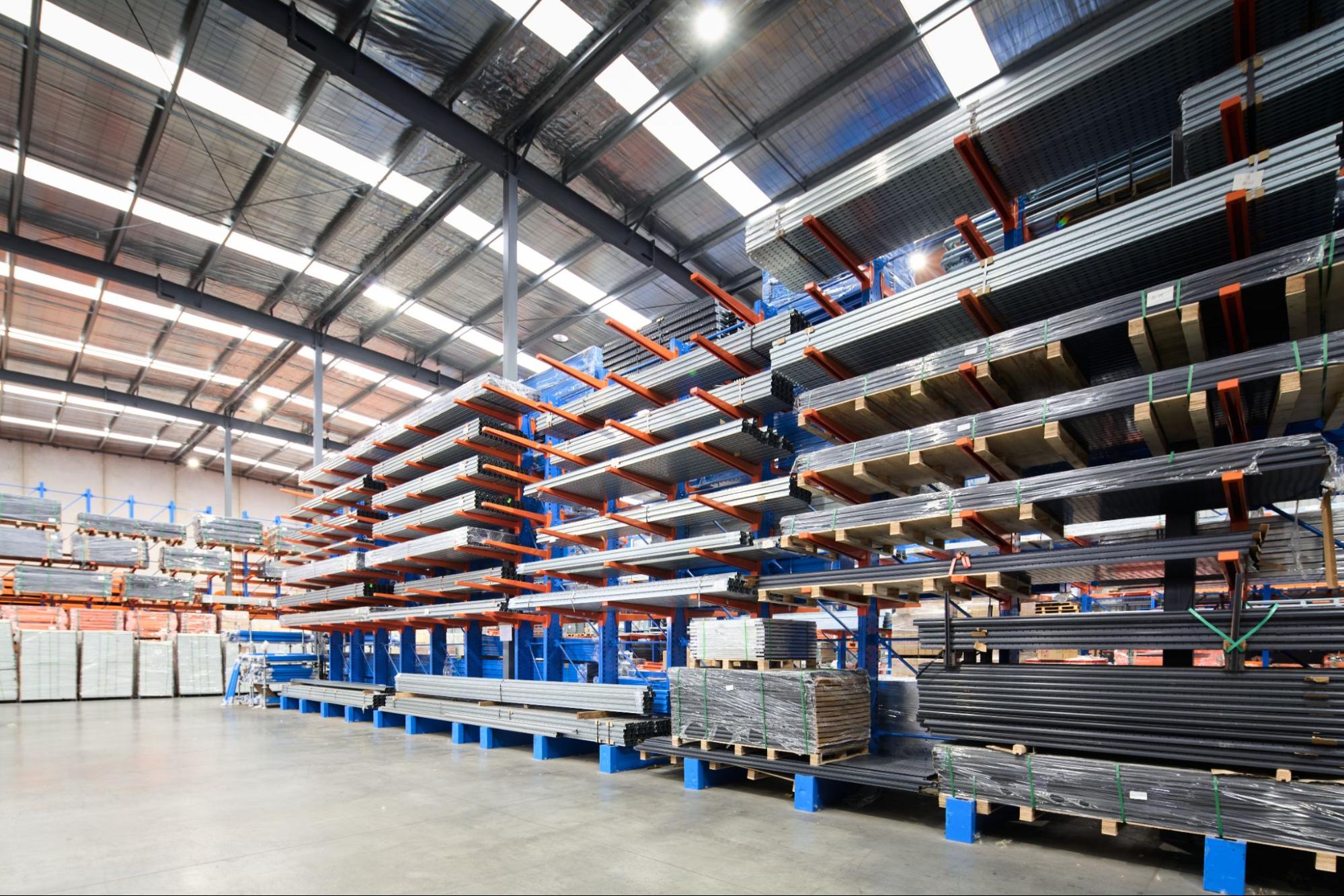
A warehouse fit-out is the process of designing, supplying, and installing the storage and safety systems that turn an empty or underused space into a working facility, planned around your stock, your equipment, and the way your team moves through the space.
It starts with a site assessment and design, where dimensions, load requirements, and traffic flow are mapped out, then moves through supply, delivery, and installation. Most fit-outs combine several systems: pallet racking for palletised stock, industrial shelving for hand-picked items, and a mezzanine floor where height allows. Load signage and edge protection are fitted as part of the same job.
The scope sounds large, but the part that affects your operation most is timing: when each system goes in, and how the work is staged around your day.
Where downtime creeps into a fit-out
Downtime rarely comes from the installation itself. It comes from how the work is scheduled around your operation.
Blocked aisles are the usual culprit. When a forklift cannot reach a pick face, or a run of racking sits half-built across a thoroughfare, productivity drops even though nothing has gone wrong. Sequencing clashes do the same, where one trade waits on another and the floor sits idle.
The other hidden cost is after-hours work. Pushing installation into evenings and weekends to dodge disruption sounds tidy, but penalty rates for that work run well above standard hours, and tired crews make more mistakes. A fit-out planned for minimal disruption from the start avoids both.
How to avoid downtime during a warehouse fit-out
Keeping stock moving through a warehouse fit-out comes down to planning and sequencing. The methods below separate a smooth upgrade from a stalled one.
- Phase the work. Install one zone or run at a time, then move stock into the finished section before starting the next. A site can keep operating section by section rather than closing entirely.
- Schedule around your operation. Slot the noisy, aisle-blocking work into quieter shifts, planned maintenance windows, or seasonal lulls, so the busiest hours stay clear.
- Choose systems that go in fast. Pre-engineered and modular racking, shelving, and mezzanine systems arrive ready to assemble, which shortens the disruptive window compared with built-on-site fabrication.
- Get site readiness sorted first. Confirm slab condition, clearances, power, and access before the crew arrives, so the install is not held up by surprises.
- Use a single point of contact. One person coordinating suppliers, installers, and your team keeps sequencing tight and catches clashes early.
- Handle compliance up front. Engineer certification, load signage, and any approvals organised early avoid stop-start delays late in the job.
Installing around a live operation: How it works in practice
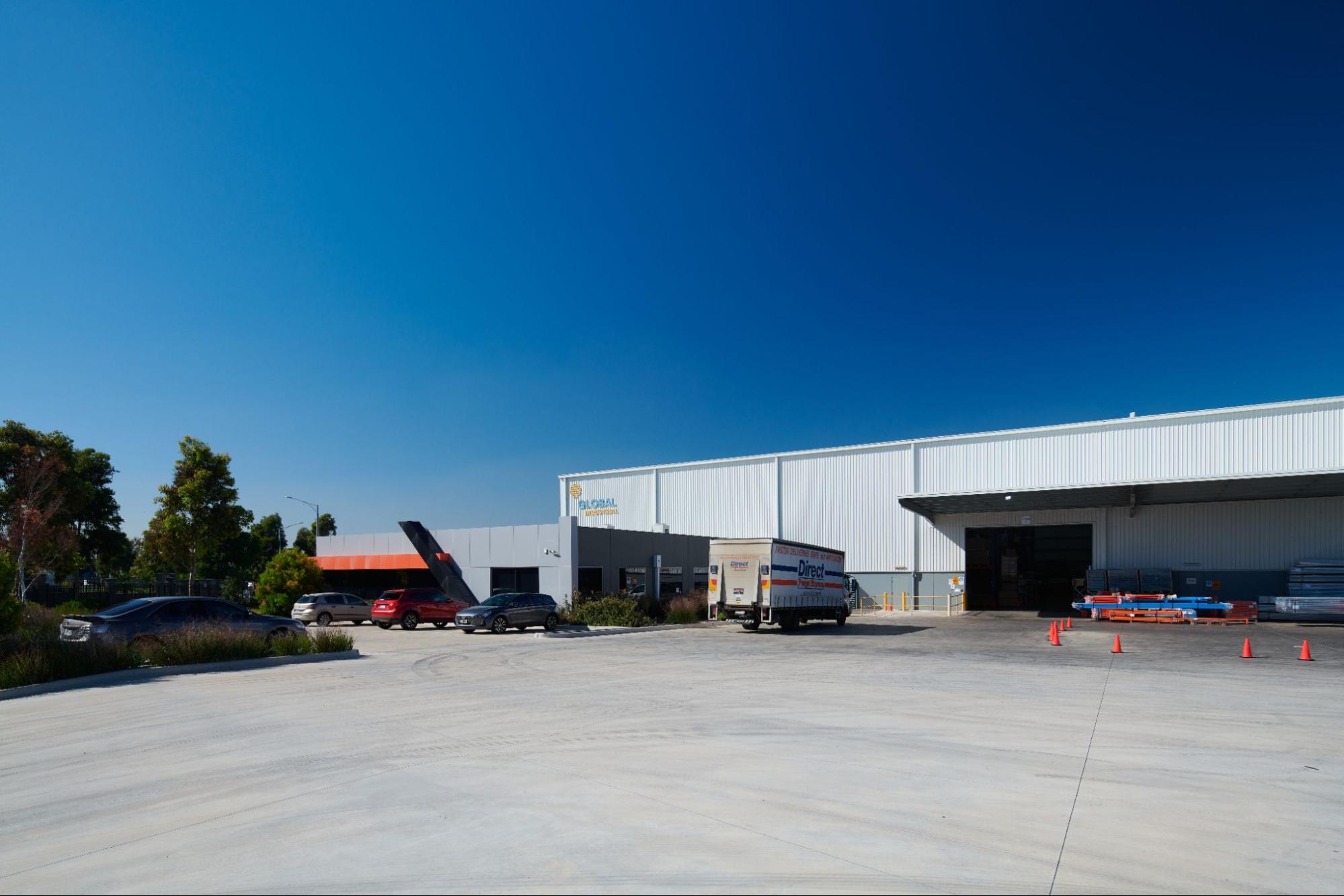
The most disruptive-looking fit-outs are often the ones that keep running. For a 3PL warehousing provider operating 24 hours a day, our team installed a double-deep racking system one run at a time. As each run was completed, anchored, and signed off, the client filled it with stock before the next run began. The shed kept operating throughout, with the import stock that prompted the project finding a home as the racking went up.
The same staging approach ran at Expressway Spares, where components were delivered and installed in phases to minimise site disruption. And at Pipeline Technics, a full fit-out of mezzanines, racking, and shelving was completed in a single week through careful coordination between trades.
The pattern across all three is the same: plan the sequence, stage the delivery, and the work fits around the operation rather than stopping it.
Frequently asked questions
What’s involved in a warehouse fit-out?
A warehouse fit-out covers the design, supply, and installation of your storage and safety systems: pallet racking, shelving, mezzanine floors, protection guards, and load signage. It starts with a site assessment and design based on your stock and traffic flow, then moves through delivery and installation, usually staged around your operation.
How long does a warehouse fit-out take?
It depends on size and complexity, but a straightforward racking install can take a few days, while a larger multi-system fit-out runs one to several weeks. Pre-engineered systems and good planning shorten the timeline. One of our recent projects installed a full warehouse of racking in four days.
How do you avoid downtime during a warehouse fit-out?
Phase the work so one zone is finished and refilled before the next begins, and schedule aisle-blocking tasks into quieter shifts or maintenance windows. Pre-engineered systems install faster, and a single point of contact keeps sequencing tight. Planned well, most fit-outs happen around a working site rather than shutting it down.
Can racking and shelving be installed while we keep operating?
Yes. With phased installation, racking and shelving go in one run at a time while the rest of the site keeps working. For one 24-hour operation, we installed and signed off each run before the client filled it, so the facility never stopped. The key is sequencing the work around your busy periods.
Is it cheaper to fit out my existing warehouse or relocate?
Fitting out or upgrading your existing space is almost always cheaper than relocating, which adds double rent, lease make-good, and IT migration on top of downtime. A fit-out keeps you in place and working. We compare the two in our guide to warehouse relocation versus optimisation.
Plan a fit-out that keeps you running
A well-sequenced warehouse fit out lets you upgrade your storage without losing days to downtime. Browse our warehouse racking, shelving, and mezzanine range, or talk to our team about staging an installation around your operation.